

Intro
In an effort to reduce net carbon emissions and meet the agreements outlined in the Paris Agreement, the United Kingdom has set a goal to fully transition to electric vehicles (EVs) by the end of 2032, excluding commercial vehicles, which have until 2050 to meet the transition deadline. A result of the increased focus on electric vehicles and their charging capabilities that many may not have anticipated is the increased reliance on IoT devices.
Current State & Expectations
In order to meet their goal, the UK has drafted plans to mandate that every newly built home and office include an EV charging port, but that doesn’t solve the need for chargers in and around existing infrastructure. Ubitricity, an EV charging solutions company, has created charging technology that fits inside streetlight posts to help the roughly 60% of urban households that don’t have access to EV charging stations. Shell, who owns Ubitricity, has stated that they plan to expand their charging network to more than 500,000 within the next three years, compared to only 60,000 that are in service today. The electric vehicle market is also expected to go from putting two million vehicles on the road in 2018, to twenty-one million by 2030. The pattern and continuation of accelerated growth is precisely why the implementation of IoT is critical for meeting the goals set not only by the UK government, but governments across the World as well.
Iot & Electric vehicles
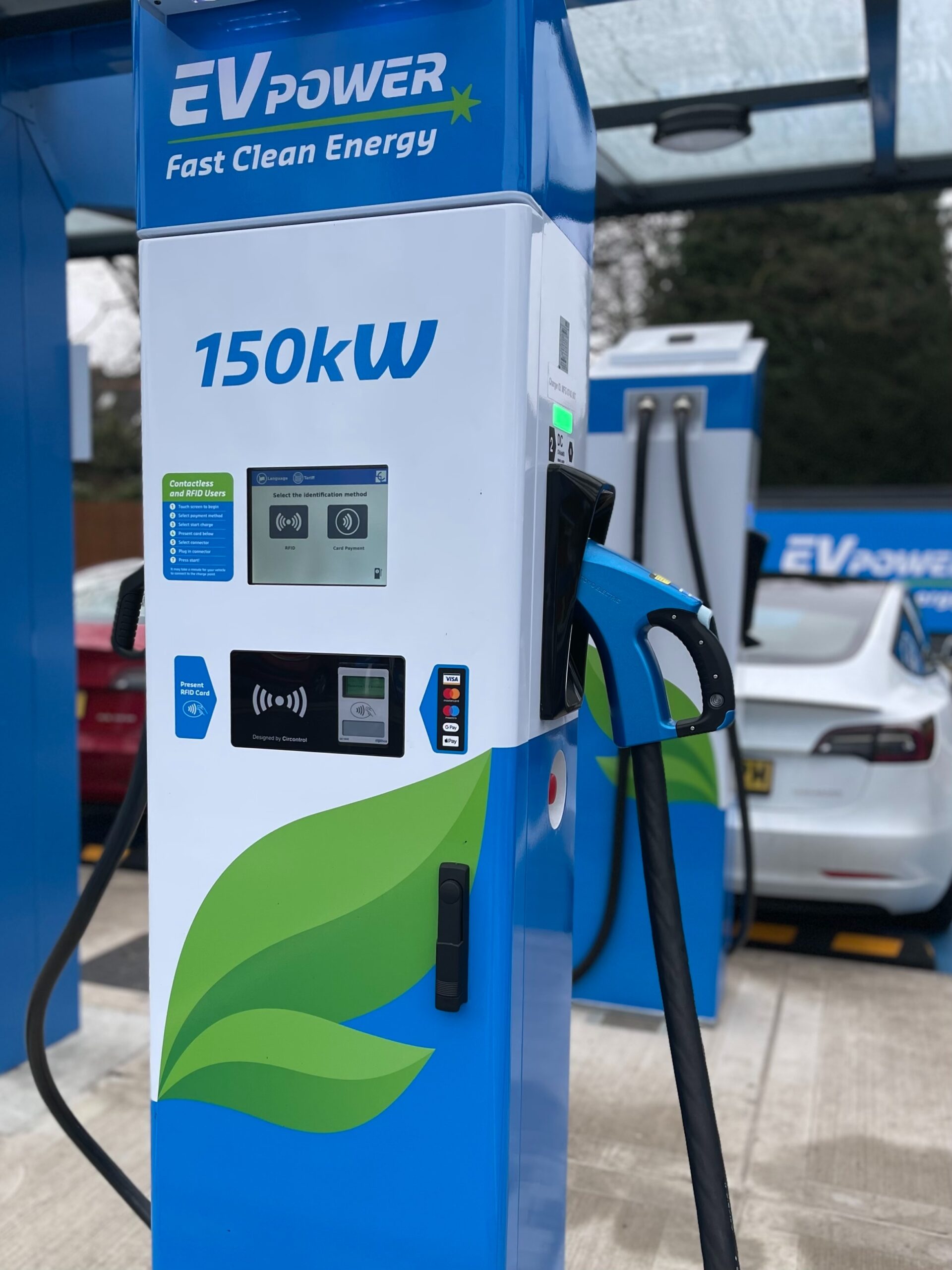
IoT normally isn’t the first thing to come to mind when one thinks of electric vehicles, but it will be soon. Without an increase in EV-specific IoT connectivity solutions, achieving lower carbon emissions will not be possible, as connectivity issues can come into play when EV drivers need to pay to charge. In situations where it costs to charge, it is critical to implement IoT devices that can monitor, manage, and optimize energy consumption. Without proper IoT solutions, users can expect longer charging times and unreliable payment methods, which will ultimately lead to dissatisfaction and the desire to return to more traditional forms of transportation. From a business perspective, the lack of IoT devices compatible with EV chargers is disturbing. Device shortages can cause connectivity issues, which likely means loss of revenue due to failed payments. This is compounded by the fact that if a charging station doesn’t offer a way to pay or the payment system is offline, then that station must provide charges for free. If it takes even one minute for the charging station to connect with an EV, that minute multiplied by the thousands of uses per year can quickly turn into a large chunk of lost revenue. Not to mention, long wait times for charging stations can cause potential customers to drive past, further driving a wedge between connectivity and profits.
the future
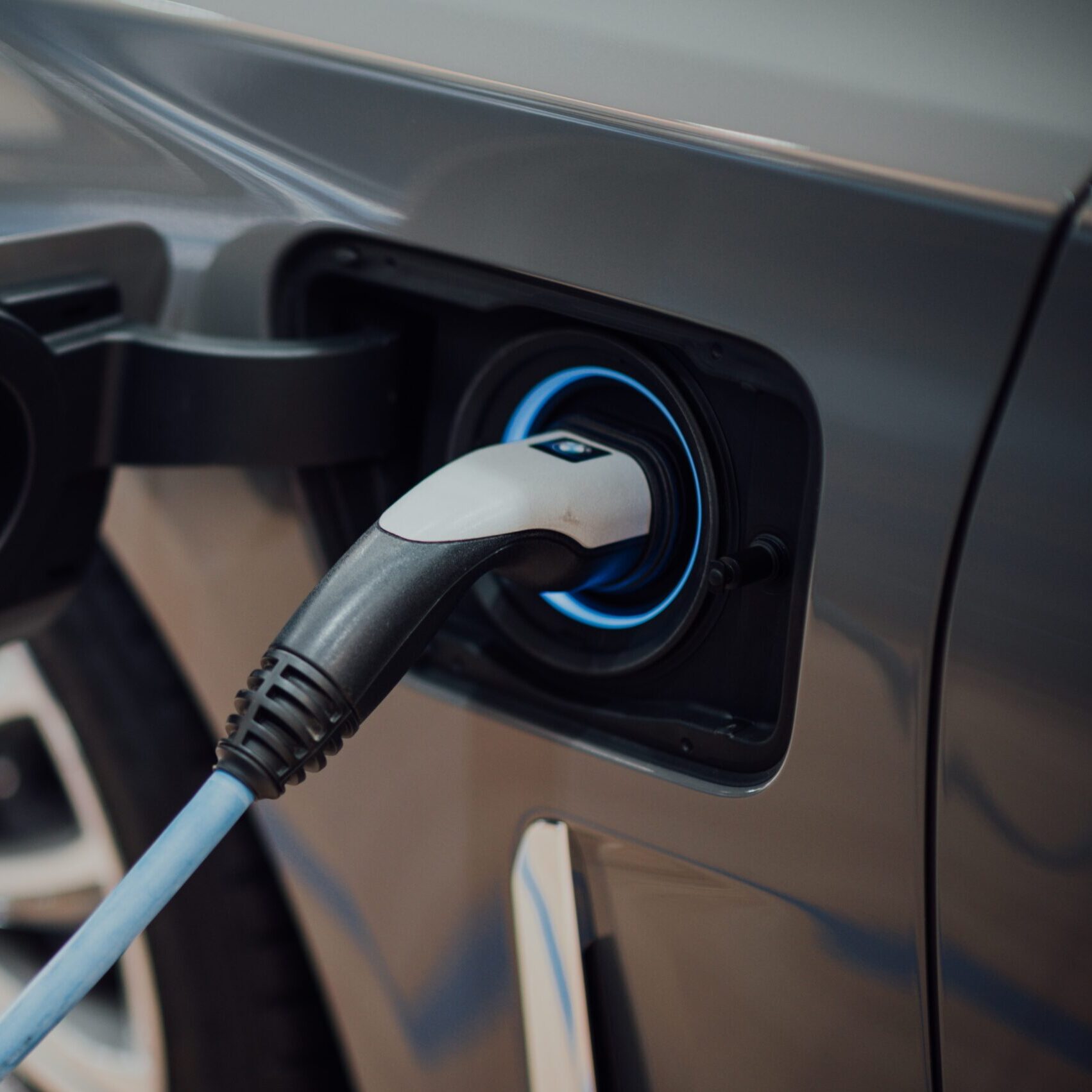
While the current state of EV IoT solutions may not be on the level that many would like to see, 93% of the companies responsible for the UK’s EV charging said that IoT is a top priority. Some companies even went as far as saying that they are expecting large budget increases ranging from 51% to 100% that will allow them to allocate more resources towards EVs and charging technology. With a vehicle revolution occurring at a rate not seen since the very inception of vehicles themselves, governments and private companies are seemingly scrambling to match pace with EV manufacturers and consumers. By using IoT connected devices built into charging stations, consumers, businesses, and governments alike can expect to see much better quality of life updates and improved charging methods for their electric vehicles.
Why rtech?
RTech Solutions knows a thing or two about IoT. Our solutions are purpose-built and integrate easily with all types of IoT devices, including electric vehicle chargers. Our team of certified experts is standing by and ready to help your business get connected.
REQUEST INFO
865.657.9324
FOR MORE INFORMATION, PLEASE SUBMIT THE FORM BELOW AND WE WILL GET BACK TO YOU QUICKLY.