


Cellular data can be used for numerous enterprise-level applications. Ranging from POTS line replacement to Failover or even mobile connectivity solutions, cellular data has reached a level of sustainability that even rivals traditional fiber buildouts. In some instances, 5G data is even faster than fiber and provides little to no latency or reliability issues. It is critical for business owners to understand the pros and cons of choosing the right data plan though, because incorrectly allocating data can lead to overages and fees, wasted data, or the inability to receive reliable coverage.
Below are some of the biggest factors to consider when trying to find the right data plan for your business:
Coverage
Not all carriers are made equal. It’s 2022, and everyone expects their device to work no matter where you are, but unfortunately, that’s not the case – yet. Consumer-grade cell phones usually get good coverage and users will have service when they need it. For mission-critical business applications like connecting POTS lines that power blue light systems on college campuses or connecting ruggedized laptops in police cruisers, “good” coverage just isn’t good enough. For these instances, it would be worth it to look into cross-carrier data pooling. This means that in devices with dual-SIM compatibility, users can receive coverage from multiple carriers simultaneously and ensure that their devices will work no matter the location.
Overages, Fees, & Slowdowns
Choosing a data plan that doesn’t offer enough data for your devices can lead to unwanted overages, fees, or even the throttling of your speeds. Many providers charge per gigabyte of data each device goes over, so if an entire system of devices is exceeding their monthly allowance, users could be hit with a hefty bill. What may be worse is that users could see their speeds throttled to kilobyte level download speeds, which are so low it would take months to download just one HD movie.

Wasted Data
On the other end of the spectrum, users who don’t use all of their data will pay for the plan regardless of whether they exceeded their allowance or not. This means it is best to use as much data as possible without going over to maximize the value of your plan. To help determine how much data you need, check out this article from Business.com that gives you multiple factors to consider when choosing a business-level data plan.
Online Activity & Needs
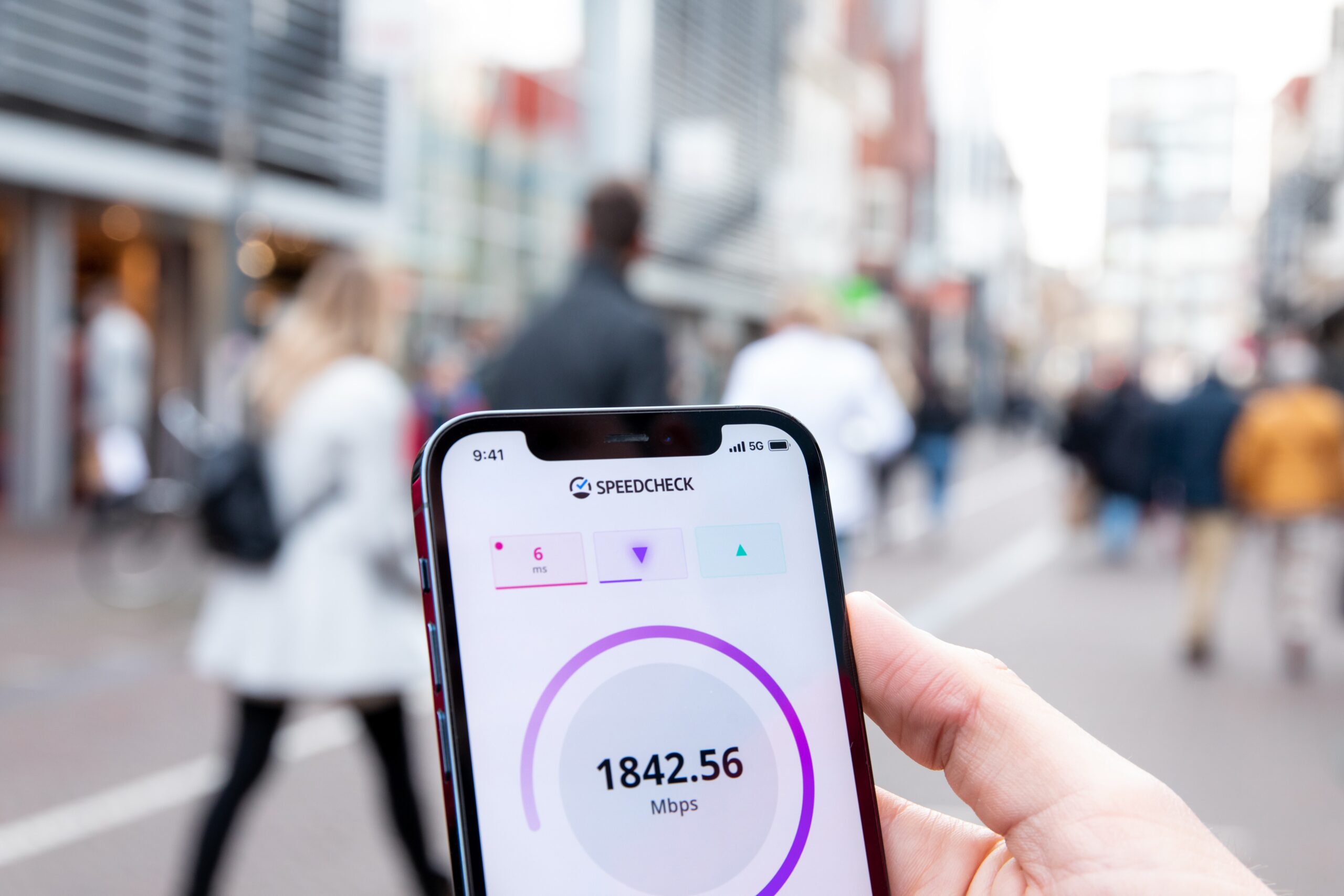
Some businesses only need cellular data to power their POS systems, so 4G LTE would likely be a safe choice. For others, they may have much more data-intensive needs such as real-time video monitoring, which would more than likely need a 5G data solution. It’s important to note the needs of your business before selecting a data plan. Think about what you or your employees do online daily. If your answer included anything about video, streaming, excessive downloading, or any real-time applications, then 5G is probably the best choice. Do you still need help deciding between 4G and 5G? The differences are listed below:
5G
- Average download speeds hover around 100+ Mbps
- Less than 10 ms of latency
- Can support more than 1 million connected devices per .38 square miles
4G LTE
- Average download speeds ranging between 50-100 Mbps
- Around 50 ms of latency
- Can support roughly 2,000 devices per .38 square miles
How RTech Can Help
RTech Solutions prides itself on offering customers comprehensive data solutions at an affordable price. Just a few of the benefits we offer with every data plan include:
- 24/7/365 Managed Data & Device Support
- Cross-Carrier Data Pooling
- Optimal Carrier Location Matching
- Data Usage & Analytics Tools
- Easy Deployment with No Startup Fees
If you’re still not sure which data plan is right for you, our team of certified experts will be happy to help.

REQUEST INFO
865.657.9324
FOR MORE INFORMATION, PLEASE SUBMIT THE FORM BELOW AND WE WILL GET BACK TO YOU QUICKLY.